


The pancreas is an organ located behind the stomach that plays an important role in digestion and blood sugar regulation. Pancreatic cancer develops when abnormal cells in the pancreas begin growing uncontrollably and form a tumour. Because the pancreas lies deep within the abdomen, early changes may not always produce noticeable symptoms.
As the disease progresses, symptoms can become more apparent and may affect digestion, appetite, weight, or general wellbeing. Recognising persistent changes and getting appropriate investigations can help establish the cause. When pancreatic cancer is confirmed, treatment depends on the tumour's location, stage, spread, and whether it can be removed safely.
Pancreatic cancer begins when cells within pancreatic tissue acquire changes that cause them to multiply abnormally and avoid the normal controls that regulate cell growth. Over time, these abnormal cells can form a tumour and potentially invade nearby tissues or spread to distant parts of the body.
Several factors may increase the likelihood of developing pancreatic cancer, although having a risk factor does not mean that cancer will definitely occur.
Smoking: Tobacco exposure is an established risk factor associated with pancreatic cancer.
Age: The risk generally increases as people get older.
Chronic pancreatitis: Long-term inflammation of the pancreas can be associated with an increased risk.
Family history: Having certain close relatives with pancreatic cancer may increase individual risk.
Inherited genetic changes: Some inherited conditions can raise the likelihood of developing pancreatic cancer.
Diabetes: Certain patterns of diabetes are associated with pancreatic cancer and may require medical evaluation in the appropriate clinical setting.
Pancreatic cancer can produce different symptoms depending on where the tumour develops and how advanced the disease has become. Some early symptoms may be vague and can resemble other digestive conditions.
Common symptoms can include:
Persistent abdominal or upper-back pain
Unexplained weight loss
Loss of appetite
Nausea or digestive discomfort
Jaundice, causing yellowing of the skin or eyes
Dark urine or unusually pale stools
Persistent tiredness
Changes in bowel habits
New or changing problems with blood sugar control
These symptoms do not necessarily indicate pancreatic cancer. However, persistent or unexplained changes should be evaluated rather than attributed to an ordinary digestive problem without investigation.
Jaundice can occur when a pancreatic tumour blocks the bile duct, particularly when the tumour is located in the head of the pancreas. Bilirubin can then build up in the bloodstream, causing yellow skin or eyes.
Other associated changes may include dark urine, pale stools, and itching. The appearance of jaundice does not establish the presence of cancer, but unexplained jaundice warrants prompt medical assessment to identify the underlying cause.
Diagnosing pancreatic cancer usually requires more than one type of investigation. A doctor may begin with a clinical assessment and blood tests, followed by imaging when appropriate.
CT scans, MRI, ultrasound, endoscopic ultrasound, and other specialised investigations can provide information about the pancreas and surrounding structures. A biopsy may be performed when tissue confirmation is required. These findings help establish the diagnosis and determine the extent of disease.
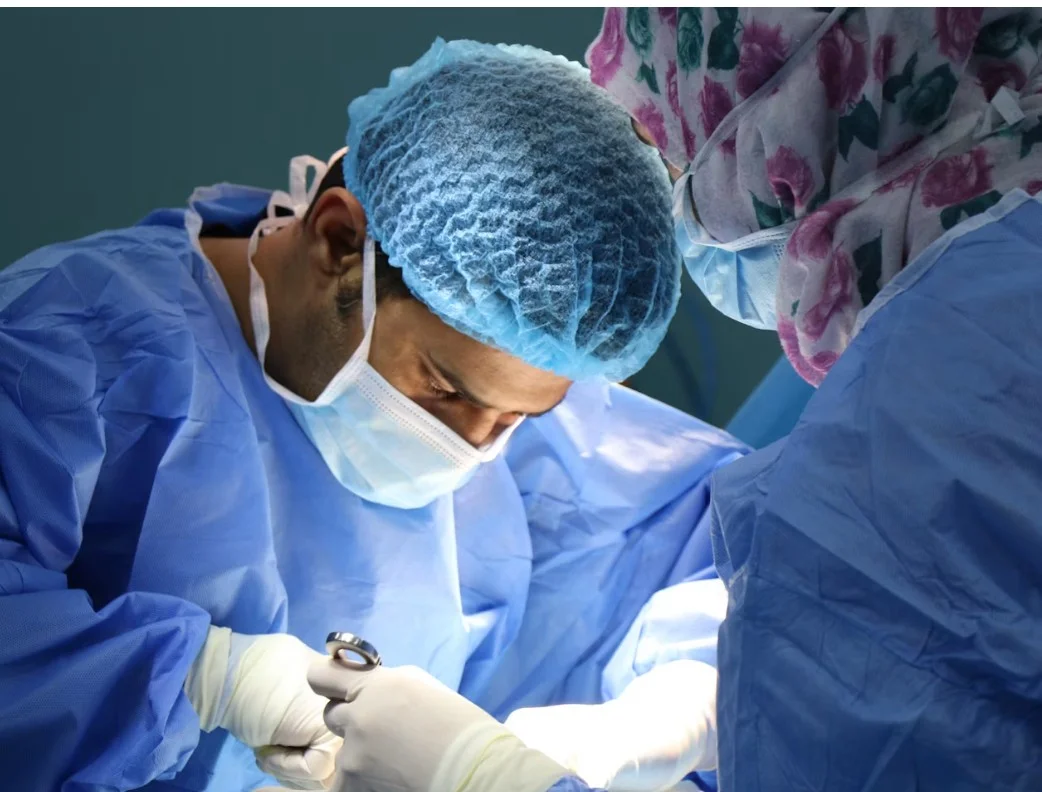
Surgery can be an important treatment option when pancreatic cancer is localised and the tumour can be removed safely. The location of the tumour is particularly significant because the pancreas lies close to major blood vessels and other abdominal structures.
The treatment team considers imaging findings, tumour size, involvement of nearby vessels or organs, lymph nodes, and evidence of distant spread. Depending on the location, operations may include procedures such as a pancreaticoduodenectomy, commonly known as the Whipple procedure, or distal pancreatectomy. The appropriate operation is determined by the individual disease pattern.
Pancreatic cancer treatment may involve surgery, chemotherapy, radiation therapy, or combinations of these approaches. In some situations, treatment may be given before surgery to reduce or control the disease, while other patients may proceed to surgery when the tumour is considered suitable for removal.
Recovery after pancreatic surgery can require careful monitoring of nutrition, digestion, blood sugar, pain, and general physical recovery. Follow-up care remains important after treatment to monitor progress and determine whether additional therapy is required.
Can pancreatic cancer develop without obvious symptoms?
Yes. Early pancreatic cancer may cause few noticeable symptoms, and some symptoms can be nonspecific. This can make early detection challenging in some cases.
Does having a risk factor mean a person will develop pancreatic cancer?
No. Risk factors can increase the likelihood of developing the disease but do not mean that cancer will definitely occur. Some people develop pancreatic cancer without an identifiable risk factor.
Is surgery possible for every pancreatic cancer patient?
No. Surgery depends on factors such as the tumour's location, extent, involvement of nearby structures, and whether the cancer has spread. Imaging and other investigations help determine whether surgical removal is appropriate.
A pancreatic cancer diagnosis can raise important questions about the next stage of treatment. Dr. Deepika Gupta, a Pancreatic Cancer Surgeon in Jhandewalan, evaluates each case according to the tumour's location, extent, and surgical suitability. Patients can consult her for specialist surgical guidance based on their diagnosis and reports.
| Tags: | #Pancreatic Cancer Surgeon in Moti Nagar, # Pancreatic Cancer Surgeon in Jhandewalan, # Pancreatic Cancer Surgeon in Shadipur, # Pancreatic Cancer Surgeon in Shasri Nagar |